

Leading in a culture of trust
Date/Time: May 14, 2026 / 8:30 am – 4:30 pm
Price: $995 for CSPL and CMA members and $1,200 for non-members

Mamta Gautam
MD, MBA, FRCPC, CCPE, CPE
Building and sustaining trust is the cornerstone of effective physician leadership, yet it is often challenged in high-pressure healthcare environments.
This full-day interactive workshop explores how physician leaders can intentionally build, sustain, and repair trust to strengthen engagement, collaboration, and psychological safety. Grounded in leadership research and healthcare case studies, participants will explore the core dimensions of trust—competence, integrity, reliability, and benevolence—and how these show up in everyday leadership practice. Through reflection, peer dialogue, and scenario-based learning, participants will identify trust enablers and detractors, navigate breaches of trust, and practice communication strategies that enhance credibility and authenticity.
Participants will leave with practical tools and a personalized action plan to foster a culture of trust that supports teams, improves well-being, and positively impacts patient care.
Learning objectives:
- Define and describe the core dimensions of trust (competence, integrity, reliability, and benevolence) and explain their relevance to effective leadership in healthcare.
- Analyze how organizational culture, psychological safety, and power dynamics influence the development and erosion of trust within teams.
- Apply evidence-informed strategies to intentionally build and sustain trust through authentic communication, accountability, and transparent decision-making.
- Identify and address common barriers to trust and practice skills for repairing trust after conflict or organizational change.
- Develop a personalized leadership action plan to foster a culture of trust that enhances collaboration, engagement, and well-being in their workplace.
Who should attend:
Physician leaders and aspiring leaders who want practical strategies to build, sustain and repair trust, strengthen psychological safety, and lead effectively in complex healthcare environments.
The influence equation: The 4Cs of influence for physician leadership
Date/Time: May 14, 2026 / 8:30 am – 4:30 pm
Price: $995 for CSPL and CMA members and $1,200 for non-members
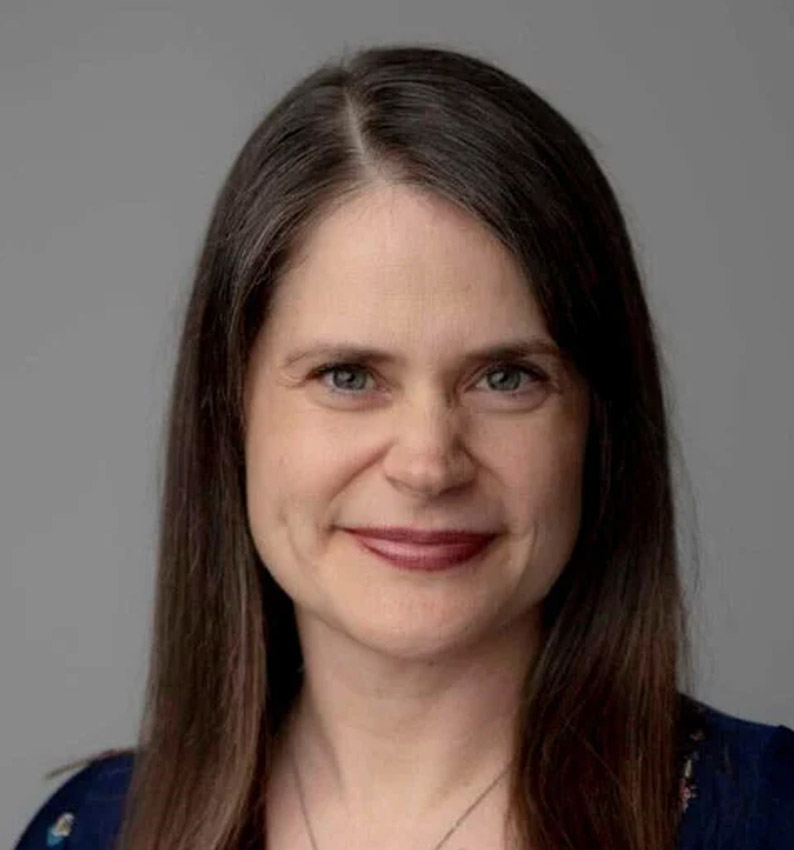
Lyn K. Sonnenberg
HonBSc, MSc, MD, MEd, FRCPC, EMBA

Victor Do
MD, FRCPC, MSc
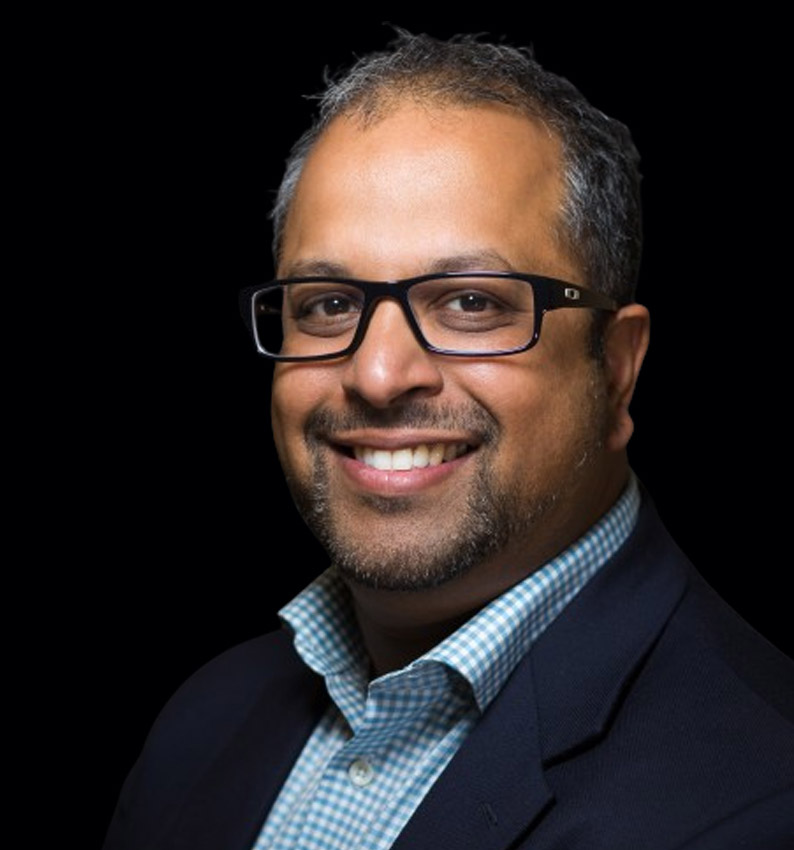
Jerry Maniate
MD, MEd, EMBA, FRCPC, FACP, CCPE, CPC(HC)
Effective physician leadership requires not only expertise but the ability to influence others, build trust, and shape high-performing, values-driven cultures.
The 4Cs of Influence Framework (Competence, Character, Connection, and Culture) advances leadership education by integrating the technical, moral, relational, and cultural dimensions of leadership. Moving beyond traditional competency-based approaches, it emphasizes who leaders are, how they build trust, and the environments they create. This full-day, highly interactive course empowers physicians at all stages—learners, early- and mid-career clinicians, and senior leaders—to cultivate influence grounded in authenticity, collaboration, and values. Participants will explore the 4Cs through evidence-informed teaching, facilitated discussion, and clinical case examples, apply the framework to complex leadership scenarios, and develop actionable strategies to enhance credibility, inclusion, and organizational impact.
Participants will leave with an adaptable framework and a personalized Leadership and Influence Action Plan to support ongoing growth and leadership effectiveness in complex healthcare environments.
Learning objectives:
- Analyze the four domains of the 4Cs of Influence Framework and their interconnected roles in shaping effective, ethical, and relational leadership.
- Evaluate their current leadership practices using the 4Cs self-assessment to identify values, strengths, and growth opportunities.
- Apply the 4Cs of Influence Framework to real-world leadership scenarios across clinical, educational, and organizational contexts.
- Implement a personal leadership action plan grounded in the principles of competence, character, connection, and culture.
Who should attend:
Physicians at any stage of their career who want to enhance their influence and credibility, and create high-performing, values-driven teams and organizations.
Trauma-informed leadership: Empowering safety, belonging and well-being
Date/Time: May 14, 2026 / 8:30 am – 4:30 pm
Price: $995 for CSPL and CMA members and $1,200 for non-members

Jodi Ploquin
MSc, CHE, CCIP, Certified Workplace Traumatologist

Jennifer Williams
BSc, MD, Chief Wellness Officer certified
Physician leaders today must navigate the rising prevalence of workplace trauma, burnout, and moral distress while fostering safe and inclusive cultures.
This course introduces the SAFER Framework, a practical trauma-informed leadership model focused on Safety, Awareness, Fostering voice and choice, Empowering curiosity and compassion, and Restorative connections. Participants will learn concrete leadership behaviors that reduce harm, strengthen trust, and create inclusive environments where healthcare providers can thrive. Designed for physicians familiar with trauma-informed care in clinical settings, this course builds the competencies needed to apply trauma-informed principles in leadership roles, supporting teams more effectively and contributing to healthier workplace cultures.
Learning objectives:
- Recognize healthcare as a trauma-exposed profession.
- State sources of healthcare workplace trauma, recognize how it shows up and define impacts at the individual, team, system and population levels.
- Define institutional betrayal trauma and recognize leadership best practice in preventing and responding to harm with courage and kindness to restore safety, agency and connection.
- Apply the neuroscience of trauma, belonging and safety research to utilize protective strategies to promote mental well-being in a trauma-exposed profession.
- List the evidence-based principles of SAFER Trauma-informed Leadership for humanity-centred healthcare to promote safety, belonging and wellbeing. The SAFER framework is comprised of the following domains:
S: Safety (cultural, psychological, and physical)
A: Awareness of sources of workplace trauma and impacts
F: Foster voice and choice
E: Empower curiosity and courageous compassion
R: Restorative connections (belonging and trust)
- Gain hands on experience applying SAFER trauma-informed principles to everyday leadership scenarios (interpersonal conflict, medical error, burnout, recruitment/retention).
- Develop an action plan relevant to your sphere of influence, with evidence-based tactics and practical tools you can start using right away to show up as a trauma-informed leader.
Who should attend:
Physician leaders and aspiring leaders who want to apply trauma-informed principles to create safe, inclusive and resilient healthcare teams.